
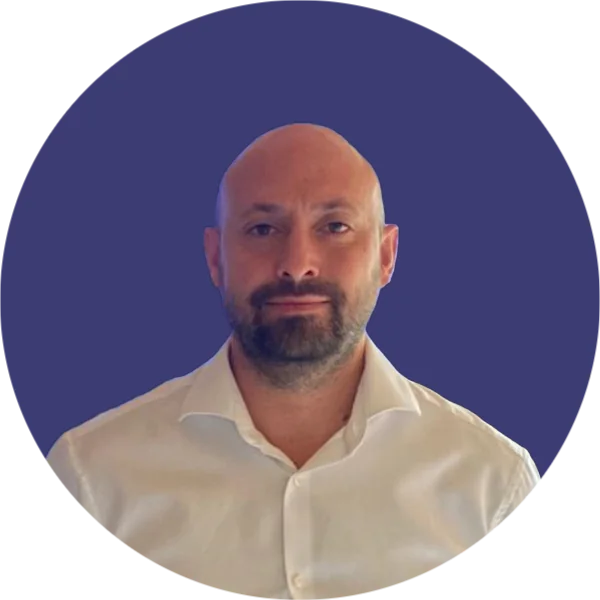
Ben Rawson
Founder of Flow Economics and co-author, with Albert Ponsteen, of the forthcoming Flow Economics: The Missing Layer Between Strategy and Delivery.
During eighteen years in defense test and evaluation, I saw well-managed projects compete for the same specialists, ranges and facilities. Improving individual project plans could only take us so far. The biggest gains came from organizing work around the constraints shared across the portfolio.
That experience shaped the thinking behind Flow Economics.
The Project Illusion
Many organizations are trapped in the Project Illusion: the belief that if individual projects are well planned, well governed and delivered successfully, the organization will perform well.
In practice, portfolio performance depends on how projects interact as they compete for shared, constrained resources. A decision that benefits one project can delay another or reduce the value of the portfolio as a whole. When those dependencies and constraints are invisible, the illusion persists.
Flow Economics
Flow Economics helps organizations decide which work to prioritize, when to commit scarce resources, and how those choices affect portfolio value.
It shifts the focus from managing projects individually to managing portfolios as economic systems. In practice, that means answering questions no single project plan can: which project your scarcest specialist should work on first, what a week's delay on the others actually costs, and which new work to hold back until there is capacity to finish it.
It is agnostic of tactical delivery methodology. However teams choose to deliver, Flow Economics addresses the portfolio-level decisions above them: what gets prioritized, when, and why.
I have developed this thinking alongside Stephen Devaux, Albert Ponsteen, Jan Willem Tromp and Oleksii Mikhalevich. For the last five years, I have taught it to PMO leaders and senior executives.
Talk to me
If you lead a PMO, run a portfolio, or are accountable for delivery across a shared resource pool, get in touch or find me on LinkedIn.
Where schedule becomes economics.